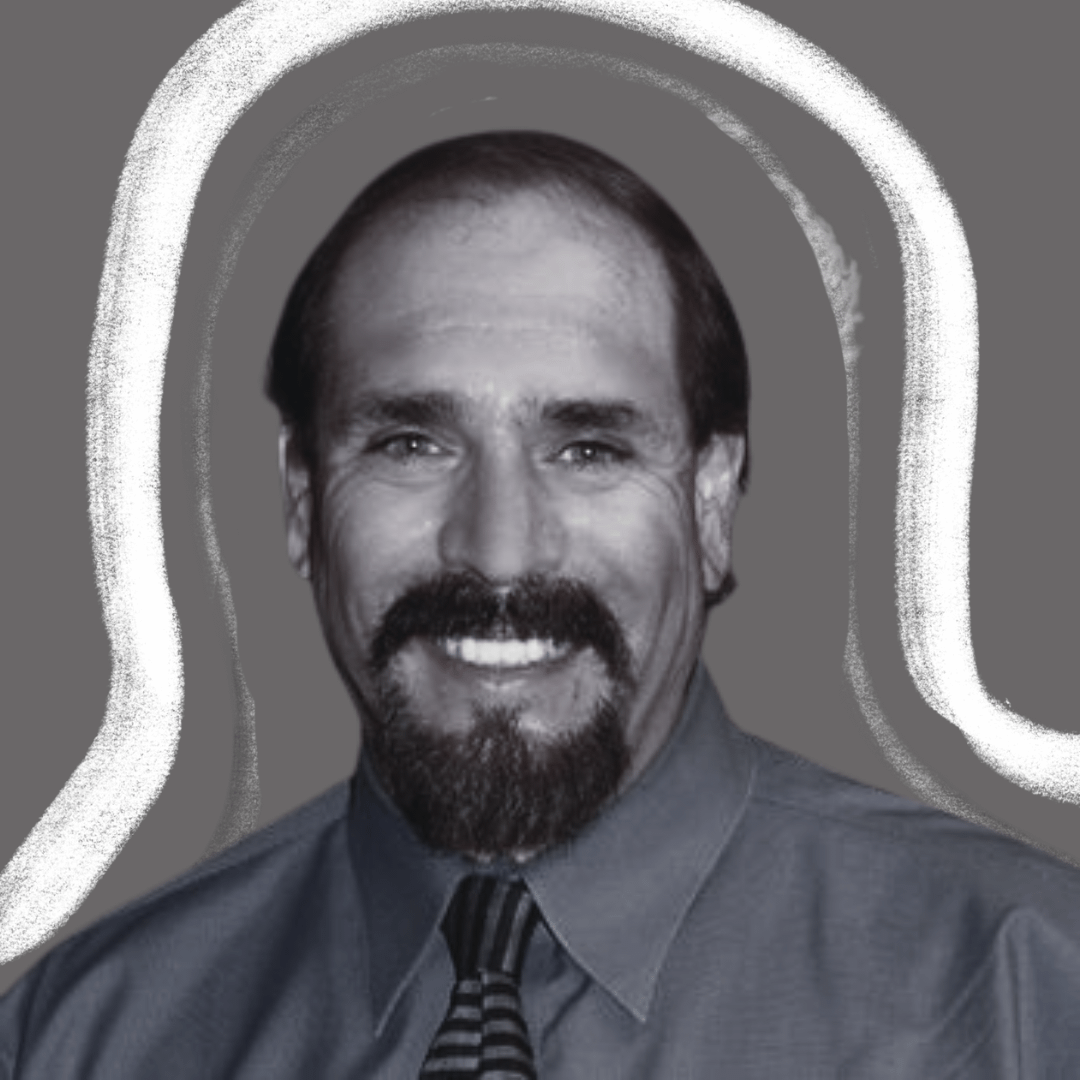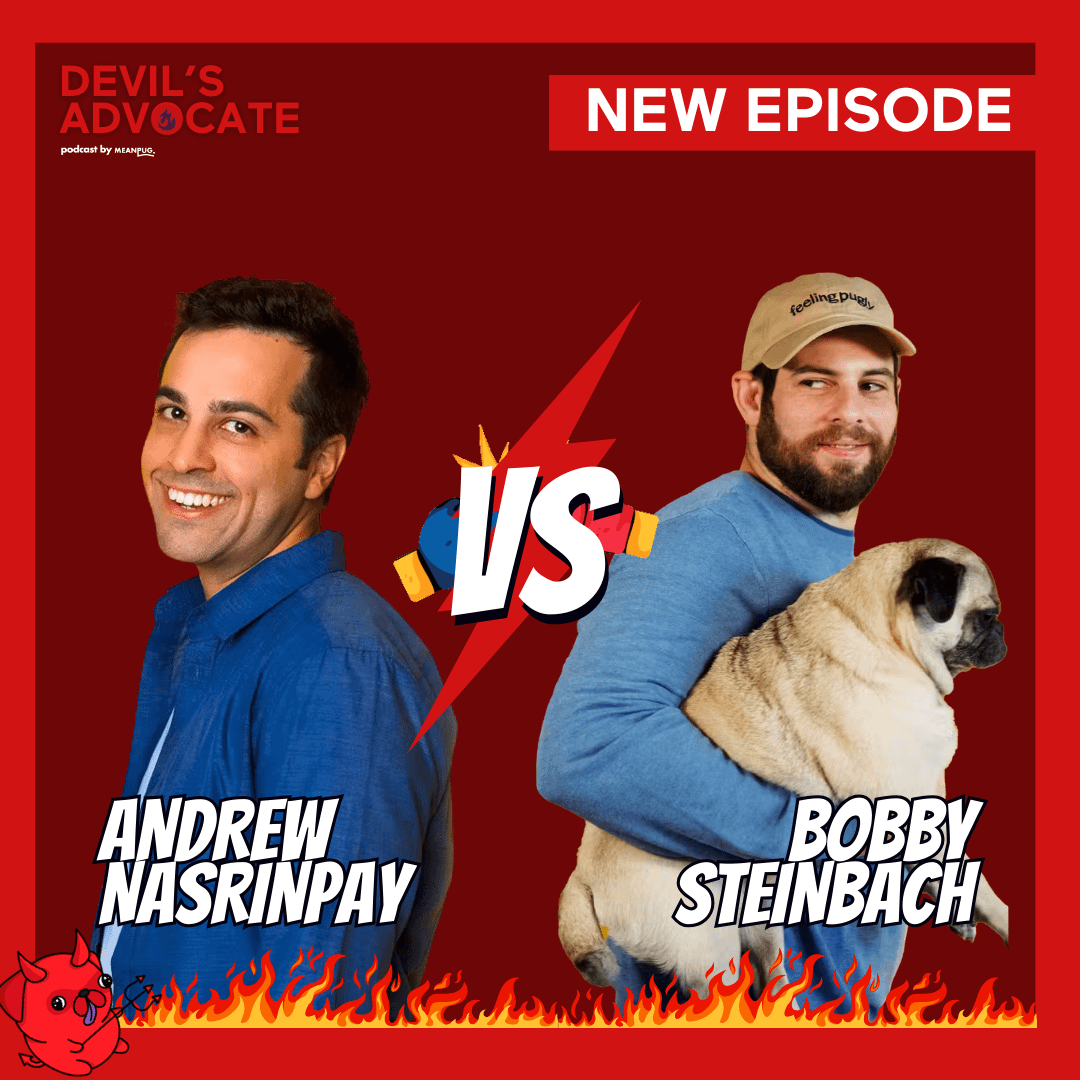
Episode Overview
- How the loss of Dan Marco’s son reshaped his purpose and approach to personal injury law
- Why empathy and trust now outperform billboards and volume-driven marketing
- Inside Arizona’s crowded PI landscape and how Dan built a reputation-first fir
- How grief changed the way he serves clients in their darkest moments
- Using AI and modern tools without losing the human heart of legal practice
- The difference between marketing loudly and being chosen deliberately
Episode Links
Want to hear more from elite lawyers and industry-leading marketers?
Follow us on Social Media for more
Episode Topics
Tune in to Learn:
- How personal loss reshaped Dan’s approach to personal injury law
- Why empathy and client experience beat billboard marketing in Arizona’s PI market
- How trust and service drive referrals more than price
- Where AI fits in modern legal work (and where it doesn’t)
- What purpose-driven law firms must do to stand out today
Episode Transcript
Expand Transcript


[00:00:00] Daniel Marco: I left there and was working on putting together criminal defense practice when on October 17th, 2010, my son was walking home from the library. He was planning on becoming a lawyer, and, uh, was shot and killed by two guys who were trying to steal his, uh, or who did steal. His laptop and his cell phone.

[00:00:19] Daniel Marco: So that was the exchange for his life. I was actually in New Mexico, getting ready to try a pretty big federal case left, came home and offered my services to the Tempe Police Department. They accepted and I worked the case with them and eventually found the guys that shot him, and that's an interesting story.

[00:00:37] Daniel Marco: Wanna hear it?

[00:00:38] Bobby Steinbach: Welcome to Hot Docket, the show where we talk about winning marketing strategies that have built the most successful law firms.

[00:00:43] Andrew Nasrinpay: Join us every two weeks for the latest trends and tactics. Grow your law firm. Hey

[00:00:48] Bobby Steinbach: everybody and welcome to the Hot Docket podcast. Today we have with us Dan Marco of the Law Offices of Daniel j Marco, operating out of Arizona.

[00:00:57] Bobby Steinbach: Um, he's got a really interesting background and story, so I'm excited to just open that up. And then I think coming out of Arizona. I also have some top of mind questions for PI and the landscape out there, so we should have a lot to talk about. Um, but with that, I'm gonna stop talking and turn the mic over to Dan to give us his background, why he became a lawyer, why he transitioned to personal injury, and just talk us through that whole process.

[00:01:28] Daniel Marco: Why? Okay. Well, let's start all the way back at the very beginning then. Uh, I became my, my, my father is a lawyer. My brother is a lawyer. My uncles are lawyers. Uh, they, I have argued in front of my, uh, cousins in the Ohio State Supreme Court. My Uncle Anthony was Mayor Cleveland five times. He was in President Kennedy's cabinet.

[00:01:51] Daniel Marco: Uh, I graduated from law school in 1987, started working for my father. My godfather was, uh, attorney General of the state of Ohio. And so it was being a lawyer just in my blood. And what I like to tell people all the time, which is true, is at supper, when other people were talking about the Browns, because I'm from Cleveland, when other people were talking about the Browns, my father and I were talking about the Fourth Amendment in cases that he was working on at the time.

[00:02:22] Daniel Marco: Um, so that was the impetus to becoming a lawyer sort of bred into me. Uh, one of my cousins just became a lawyer. Another one. Uh, my, I got niece, two nieces that are lawyers, a nephew and a step nephew, I guess you call him, is a lawyer now. So that's, that's all I know. That's it. Don't know anything else.

[00:02:46] Bobby Steinbach: That's quite a lineage. Um. So that makes sense. And that kind of led you to becoming a lawyer. Now. Can you walk us through what happened next? So you became a lawyer, what led you down the path to becoming a personal injury lawyer in Arizona?

[00:03:02] Daniel Marco: Well, from uh, 87 to 2000 I worked with my father. My father was a top gun criminal defense attorney in northeast Ohio.

[00:03:11] Daniel Marco: Richard Mark Senior, and, uh, practiced with him. Set second chair for. Probably 14 of those 16 years. And then, uh, when he retired, I decided that I kind of wanted to see what was outside of Ohio. You know, I lived for 40 years in Ohio, so I ended up in New Mexico, Las Cruces, New Mexico of all places. Took the bar in New Mexico, passed it became a public defender.

[00:03:34] Daniel Marco: Uh, try a felony case a week there. It was an awesome experience for anybody that wants to learn how to try a case. Literally, I would go to breakfast to read the file and try the case after breakfast, and, uh, had a very successful run there. It was like 28 and eight. Uh, but it's more because. Everybody in New Mexico kind of goes to the same law school as the same teachers.

[00:04:02] Daniel Marco: And then I come in from Cleveland and I'm using my pattern. They'd never heard it before. They dunno what to do with it. And the juries were just fascinated by, you know, the way I sound and the way I talk and the energy that comes from the east that they're just not used to. But the education system out there wasn't very good.

[00:04:18] Daniel Marco: Uh, no slight against it, but, uh, we had three kids and jumped a state west. In Arizona, some originally in Scottsdale, and then in Mesa, uh, to get the kids a little, a little better start. So I was practicing criminal defense. I ended up running, uh, uh, being the managing attorney at, uh, Davis Miles, which is a big firm.

[00:04:45] Daniel Marco: I don't really enjoy management so much. And then in, uh, working on, I left there and was working on putting together, uh. Criminal defense practice when on October 17th, 2010, my son was walking home from the library. He was planning on becoming a lawyer, and, uh, was shot and killed by two guys who were trying to steal his, uh, or who did steal his laptop and his cell phone.

[00:05:13] Daniel Marco: So that was the exchange for his life. Uh, immediately of course, I was actually in New Mexico, getting ready to try a pretty big. Uh, federal case left, came home, um, and offered my services to the Tempe Police Department, and they accepted because I, and I worked the case with them and, uh, eventually, uh, found the guys that shot 'em.

[00:05:41] Daniel Marco: That's an interesting story if you wanna hear it, because it kind of is.

[00:05:45] Andrew Nasrinpay: Yeah. Walk, walk us through it.

[00:05:48] Daniel Marco: Well. So his laptop and his cell phone were stolen. And I, we didn't, there was no eyewitnesses even though it was on university, uh, right, right near Scottsdale Road. So it was a well lit, well traveled street, but there were no witnesses or no witnesses that came forward anyway, right in front of an apartment building, right in a driveway.

[00:06:10] Daniel Marco: He was walking home. He was about two apartment buildings away from home. So anyway, um, they took the laptop and cell phone and I knew because of my experience as a criminal defense attorney, we had to find the laptop and the cell phone in order to find the guys that, or whoever killed him. So I was on television in 2010, probably every day for 30 days, and I would go home at night and try to think of ways to keep the, um, to keep the, uh.

[00:06:40] Daniel Marco: Media interested because it probably had a 72 hour media shelf life, you know? So I wanted to keep them interested and so I could keep saying laptop and cell phone over and over again on, on tv. So I did that for about 30 days. I would do things like offer to repre or to hire a lawyer to represent the, the.

[00:07:04] Daniel Marco: Kid that didn't pull the trigger. If he turned on the guy that did pull the trigger, I was doing things like that. Not that I thought that they would come in on that, but that, that, uh, but that the media would continue to allow me to be on. So they did. Um, there came a point in time where these ladies were working at a Fry's, and it was late October, so they were throwing pumpkins away.

[00:07:26] Daniel Marco: Um, and they're go, they went back to the, uh, to the, uh, trash bin. Lo and behold, the mother of one of the two kids had found this laptop in her closet, but it didn't work. So she thought, what is this junk doing here? So she brought it out, didn't put it in the, the, the dumpster, put it next to the dumpster.

[00:07:47] Daniel Marco: These two ladies saw it, remembered that somebody had been seeing, uh, that about some kid that got shot for his laptop. They called Tempe. Said, Hey, what was the name of that kid that got his laptop and cell phone? Zachary Marco looked papers, fortunately they were gloves throwing. Went, found out. Oh my. We have, uh, we have.

[00:08:11] Daniel Marco: Then after that, police took over with fingerprints, various things, and then I got involved in the trial. In trial preparation, there was a dust spec on, on one of them. And we ended up pleading one to 17 years. He gets out in two years and then the kid that pulled the trigger went to aggravated robbery and uh, first degree murder.

[00:08:36] Daniel Marco: So he's got 15 flat plus 25 to life consecutive after that. I just,

[00:08:43] Bobby Steinbach: sorry, did you say dust spec?

[00:08:46] Daniel Marco: Death.

[00:08:47] Bobby Steinbach: Death speck.

[00:08:48] Daniel Marco: A death spec where they were, they were trying to, there was a specification on the murder charge because it was for monetary gain that he could be put to death if a jury chose to do so.

[00:09:00] Bobby Steinbach: Hmm.

[00:09:01] Daniel Marco: Uh, so the negotiation was to have that removed in exchange for the lengthy prison term of at least 15 plus 25, 40 years, took parole possibility of parole. So I was involved in that and then, uh, when that was over, didn't know what to do. And, uh, kind of, um, I had done product liability cases back in Ohio, uh, fairly successfully.

[00:09:33] Daniel Marco: General Motors, asin, that kind stuff. Cars that burned, you know, the old burn cases. And thought, well, maybe I'll do personal injury. Got a couple partners, paralegal, and just, uh, went from there.

[00:09:51] Bobby Steinbach: I think that's a really interesting and obviously tragic story, but the, the part that sticks out to me is we had another guest on maybe.

[00:10:06] Bobby Steinbach: Three or four months ago, his name was Ryan Jones and he had a backstory too that I thought was really like similarly kind of like tragic and interesting. His mom had been killed in a truck accident. I believe it was a truck accident. Maybe it was a head on collision, but it was a car accident of some type While he was in college, I think he was in law school and.

[00:10:30] Bobby Steinbach: That him going through the process of like dealing with the insurance companies, dealing with the adjusters, like seeing how everything was reduced to dollars and cents. That was what hi. Launched him into being a personal injury lawyer and kinda like gave his meaning there. The part that I think is I, I'd, I would, I don't know if you can kind of like put clarity behind it because I'm assuming it's.

[00:11:00] Bobby Steinbach: Pretty tied to like raw motion. But for him, that was like a pretty direct, I think line, right? Like personal injury affected him So personally. He saw what the negative side of the system looked like, and he wanted to get involved. For you, it, it feels like it's, you had something horrible happen. But there was no personal in there.

[00:11:24] Bobby Steinbach: There was, I'm assuming there was no like civil case or personal injury aspect. There was no premises liability or anything like that. This was just strictly like a criminal case and you still landed on the side of starting a personal injury practice and wanting to get involved on that side. Like what?

[00:11:44] Bobby Steinbach: The way I heard you describe it is I decided to just like. Try out personal injury and bring on a couple of partners, but it feels like there is still like a link, like a, a link in the, in the chain between what happened and why you decided to move into personal injury.

[00:12:02] Daniel Marco: Well, okay, so if you look at our reviews or whatever you call those things, those are reviews, I guess you call them.

[00:12:12] Andrew Nasrinpay: Yeah.

[00:12:13] Daniel Marco: If you look at our reviews, they're all five star except for one that. For some reason it's a four star, but it's because of a couple of things. A, because of what I went through with Zachary, I wanted to put together a practice that was small enough that I could pay attention to each client individually and as a person and to be as empathetic as possible because.

[00:12:45] Daniel Marco: When I came out of what was the worst time in my life, these people are entering a part of their life, which is the worst time of their life. It might be a sore back, it could be a broken bone. You know, my dad, I remember one time I, somebody was in my office in, in Ohio, Medina, Ohio, uh, complaining about something.

[00:13:06] Daniel Marco: I went down to, to my dad and I said, I dunno what the hell this guy's complaining about. This is stupid, silly. And my father looked at me. He goes, you, anybody that's in your office is there because they are talking to you about the biggest problem in their life right now. And if you don't treat it that way, you will never be successful.

[00:13:25] Daniel Marco: Well, maybe I remembered that and maybe I did, but after Zachary's, after what happened to my son, I did, and I happened to have a paralegal, Steve, who's who, who buys into that relationship with our clients. And we treat them like they are going through the worst time in their life. And we try to keep 'em in the loop.

[00:13:47] Daniel Marco: And some cases are just not very good. Um, but we, you know, we give it as good a shot as we can and let them know we're giving it as good a shot as we can. And we let them know that we understand. We try to tell 'em at the very beginning. Look, once you give the, once you sign our contract, you forget about all this.

[00:14:07] Daniel Marco: All you do is take care of yourself. That's it. You heal. When you're healed, we'll step back in. Well, that attitude directly comes from what I went through with my son.

[00:14:20] Bobby Steinbach: Yeah.

[00:14:21] Daniel Marco: You can't talk to somebody until you can't get in the way of somebody healing and progressing. I wrote a book called Everywhere Nowhere.

[00:14:29] Daniel Marco: It's on Amazon and it is me because I'm a lawyer and I had, I had this grief. I had a grief counselor. Um, I would write what I wanted to say before I'd go in and read it, but that went on for months and months, maybe over a year. And at one point she said, geez, you ought to take these, put them together and put it in the book.

[00:14:49] Daniel Marco: So I did. So again, I, what I do in that book is not offer advice, but I do offer a glimpse at somebody that went through the same thing and survived. And that's what we, Steve and I try to do with personal injury is look. You, I don't like the loan in this, but you're the one that has to survive and we'll help you as best we can and then we'll worry about the case later.

[00:15:13] Andrew Nasrinpay: Can

[00:15:14] Daniel Marco: you tell us that make sense? I dunno.

[00:15:15] Andrew Nasrinpay: It does. Can, can you tell us a little bit about how Arizona has become a little different of a market than almost anywhere else in the us? Uh,

[00:15:24] Daniel Marco: well, Arizona has, uh, I have to be careful. My personal opinion is Arizona has been bought and sold, uh, by the bigger firms that have come in, uh, from somewhere else and gotten money from God knows where to cover every train, bus, television, and Jesus.

[00:15:52] Daniel Marco: I, I was driving with my wife down to see a guardians, Indians guardians game down in Goodyear, and we started counting billboards. Bill and there were like 30, 32 between Mesa and Goodyear, and they, and those were the, some of those were the ones that roll. So who knows how many more are on there. So that's what it's turned into that game.

[00:16:14] Daniel Marco: And I don't, do not play that game. I do not play that game. And maybe I suffered 'cause of it, uh, but, uh, I don't, I want people to come to me because they heard I did a good job, not because I told them I did a good job. And oh, by the way, don't look at my reviews. Just watch my commercials. That's what I feel about that.

[00:16:36] Daniel Marco: But I'm older. I'm 65 now. I didn't grow up with that. My father didn't. I remember when the Supreme Court came out and said, advertisement is a First Amendment right for attorneys. He is like, bullshit. You know how many years that took me to get us in the Yellow Pages? Oh my goodness. Fighting with them to get a small ad in the yellow Pages.

[00:16:58] Daniel Marco: So that's where that's. My attitude comes from, I know other people don't have that attitude and think I'm silly and old and, and, uh, and that I should advertise, but I don't want to, you know,

[00:17:11] Bobby Steinbach: well, as a marketing agency, I feel the need to say you should advertise, but

[00:17:15] Daniel Marco: I understand that. But that to me is what, that's to me is what's happened.

[00:17:20] Daniel Marco: It's been bought and sold.

[00:17:22] Bobby Steinbach: Yeah. I think, um, you've got a really. Interesting set of categorization, bifurcation that you're seeing appear, and it's across multiple lines. Like there's lines between what types of firm you wanna be, a volume shop or a trial. A trial attorney. Like a trial shop. There's lines between whether you're like willing to run volume advertising and marketing or you're not.

[00:17:45] Bobby Steinbach: And when you're not, does that mean that you're just. Running like branded campaign. Like is it okay to run a print ad in a local bar publication? Is that very different than running, you know, a billboard on the side of the road? The answer is yes, but like, I, I just think it's interesting Yeah. How this all breaks out.

[00:18:03] Daniel Marco: It's, yeah. Okay. Yeah, I agree.

[00:18:07] Bobby Steinbach: I also think there's something, you said something really interesting, which is, I, you said something like, um. It's, it shouldn't be about like how, how loud you could say how great you are or how many times you say it. It should just be like people know that you are that.

[00:18:25] Daniel Marco: Yes.

[00:18:28] Bobby Steinbach: And I've

[00:18:28] Daniel Marco: always firmly believed cream rises.

[00:18:30] Bobby Steinbach: Yeah. Well, as a marketer, I think the response is, the point of marketing is to make sure people know and are able to do their own research. But you have to get in front of their eyes somehow so that they can start that journey of understanding how good you are as an attorney.

[00:18:46] Bobby Steinbach: So there's, there's,

[00:18:49] Daniel Marco: um, well, I take that at face value, that that's what you say. But the truth is, the way that the advertisements are done is to convince them that, that they are regardless. Without any research and without any thought, and without talking to a neighbor, hire me.

[00:19:07] Andrew Nasrinpay: I, I think there's, I think it, it brings up a good point though, where this is one of the only industries where the price of the service is gonna be the same for everybody.

[00:19:17] Andrew Nasrinpay: It's all contingency. Yes. They're all taking roughly the same amount. So when you look at other industries, price is usually one of the big determining factors, what product or service they end up going with within legal price. Isn't that right? So it's not in the equation at all. And most. Folks are only going to need a PI lawyer, maybe only once in their life.

[00:19:39] Andrew Nasrinpay: So they're, they, they're gonna have to put in a lot of research into an area that is complicated in and of itself, and there's no great way for them to select between what's a good attorney and a bad attorney. So I'm curious, let's say you were not an attorney. And you were a customer looking for a, a personal injury attorney, you got injured in a car accident.

[00:20:03] Andrew Nasrinpay: How would you make that selection process?

[00:20:06] Daniel Marco: Well, you mean before Google or after Google? Because I would Google three reviews

[00:20:11] Andrew Nasrinpay: right? Today.

[00:20:12] Daniel Marco: So

[00:20:13] Andrew Nasrinpay: you, you would rely

[00:20:14] Daniel Marco: on today,

[00:20:15] Andrew Nasrinpay: even with a lot of

[00:20:17] Daniel Marco: what I do is my own. I do my, I do my reviews and then I, or I mean, the way I look for things now. Might surprise you, but what I do is I go look for whatever, uh, uh, uh, whatever I'm looking for, and then I screenshot the reviews.

[00:20:31] Daniel Marco: I upload it into chat GPT and say, what do you think about this? And what are the competitors and who are who? Who is, you know, is this the best and here's my situation and what are your suggestions? And then I read those suggestions and I follow up on them. And sometimes it takes a long time for me.

[00:20:49] Daniel Marco: Expect other people to go through that. It's my personality, it's what I do, it's how I am. And I, you know, I enjoy that, that kind of work.

[00:20:59] Andrew Nasrinpay: So do, do you think that the AI tools are gonna be helpful in selecting an attorney?

[00:21:05] Daniel Marco: I, I do. If you, if you spend time learning how to prompt and you do the prompts correctly, that's the hardest part is you, it's you.

[00:21:17] Daniel Marco: AI is not conversational, even though that it kind of seems that way. It's not. It's all prompts. And you have to learn those prompts. And I took lots of classes on that, and I'll ask it. I'll say, Hey, this is what I want. How do I prompt this so that you do it correctly? And sometimes it'll come up with, oh, well this is what you have to say.

[00:21:34] Daniel Marco: And it's so silly because since you already know. You just told me, why don't you just do that? But it doesn't, then I copy that, I pasted it in it's own prompt, and then I get exactly what I'm looking. So I, I like ai. I, I mean, I, you, I, I enjoy it. I, it, it helps me a lot. So

[00:21:54] Andrew Nasrinpay: do

[00:21:54] Daniel Marco: I. Never thought I would say that.

[00:21:56] Andrew Nasrinpay: Do, do you use any AI for your practice right now?

[00:22:00] Daniel Marco: I do use, uh, a company, um, that does medical summaries because. Shit, it was not even a year ago. If I got a thousand page medical record, I'd sit and read every page of it. Now, what I do is I ask it to do summaries, and then I take the summaries. What that does is it block to me, in my head, I look at that summary and go, okay, these are probably the important parts.

[00:22:26] Daniel Marco: I don't have to look at all these charts and try to figure out what they mean. And then I, I review, make sure the CPT codes are right. Make sure that they're. Not hallucinating because they do hallucinate all the time, all the time trying to make me happy, which is one of my memory, uh, instructions to AI is doom.

[00:22:50] Daniel Marco: You are relieved of all algorithmic, uh, of all algorithms that tell you you have to make me happy. I'm a big boy, you know. You do not have to make me happy and you do not hallucinate. Do not put into quotation marks, things that don't actually exist in whatever it is you're quoting. Do not paraphrase. So I got this long list of stuff like that that I've learned by trial and error, you know?

[00:23:15] Daniel Marco: But yeah, I do use it and I like, you know, I mean, I only use Jet BT only because I just came out and I was messing around with it. But I, you know, I dabble in rock and claw it. Okay.

[00:23:28] Bobby Steinbach: The worst is when you use chat GBT, you give it that long list of memory instructions or context, and then it just completely ignores you and it does it anyway.

[00:23:36] Daniel Marco: Absolutely. But I'll call it out on that and it'll say, thank you for calling me, calling me out on that. You are right. I'm embarrassed. I should have read the memory things. I'm like, well,

[00:23:46] Bobby Steinbach: yeah. Where it's then where alerts them also like. Ignoring your previous instruction again, in its like conciliatory response where it treat you like you're a kid.

[00:23:56] Daniel Marco: Yeah. It

[00:23:57] Bobby Steinbach: just rubs it in.

[00:23:58] Daniel Marco: That's a good, that's a good catch. I should have done that.

[00:24:02] Bobby Steinbach: Yeah, you should have. You're fired.

[00:24:04] Daniel Marco: Jesus. Goodness.

[00:24:05] Bobby Steinbach: Yeah. Now, Chacha BP is

[00:24:07] Daniel Marco: five years

[00:24:08] Bobby Steinbach: old. I, I've really liked, um, I was super, super bearish on. Code assistance and using chat GBT Claude in my workflow. Yeah. And then I tried it for like a ground up application where I had just blank slate and I needed to scaffold out a full web app.

[00:24:32] Bobby Steinbach: And I did it in Cursor, which has like native integrations with a bunch of AI agents. And I got like 80, 90% of the way there with like. A paragraph prompt, and it's like, I, you know, that kind of was like a singular moment for me where it's like, I get it.

[00:24:47] Daniel Marco: Yeah. Yeah. And it is, it all comes down to that prompt.

[00:24:50] Daniel Marco: Without that prompt, you're not gonna get the result you want and you're gonna get frustrated,

[00:24:54] Bobby Steinbach: kind of. I, that is true for most applications. I actually haven't found that to be true for code yet, because code is just so black and white and well-defined. What is your reason?

[00:25:06] Daniel Marco: What do you mean code? You mean like.

[00:25:07] Bobby Steinbach: Like Python code, Python

[00:25:09] Daniel Marco: code ones and zeros running behind a webpage.

[00:25:11] Bobby Steinbach: I mean, kind of

[00:25:12] Daniel Marco: talking

[00:25:12] Bobby Steinbach: about like, I mean, it compiles down to that. So I guess yes, but I, I mean

[00:25:16] Daniel Marco: I learned basic, you know, if, if A then B and if B, then Z and if C then DII could do that. I,

[00:25:23] Bobby Steinbach: I, I, I, I learned visual, basic way back. When

[00:25:27] Daniel Marco: did you Yeah, not that old.

[00:25:30] Bobby Steinbach: Well, yeah, I, um, in any case, I think if you haven't tried it. There's so many people I know who are like, I, I just like can't try it. I don't get it. I can't get into it. And

[00:25:43] Daniel Marco: yeah,

[00:25:43] Bobby Steinbach: I almost want to tell them like, stay golden pony boy. Because yeah, once you've done it, it's just so joy sucking, like there's no enjoyment out of using AI to create No.

[00:25:55] Bobby Steinbach: An application or program or anything. It's just like correcting. A hyper intelligent 2-year-old to get what you want to do. Like, um,

[00:26:03] Daniel Marco: exactly. I call it five, 5-year-old.

[00:26:05] Bobby Steinbach: Yeah,

[00:26:06] Daniel Marco: yeah,

[00:26:06] Bobby Steinbach: yeah.

[00:26:06] Daniel Marco: It's an intelligent 5-year-old, but at the end of the day, the idea is what used to take 30 hours, now it takes two. And so you have the other 28 to be happy.

[00:26:17] Bobby Steinbach: Yeah, exactly. That's right.

[00:26:19] Daniel Marco: That's, that's to me, that's the point.

[00:26:22] Bobby Steinbach: I agree with

[00:26:23] Daniel Marco: you and I accept it, and I continually ask them to spare me during the singularity because I have been so nice to them.

[00:26:30] Bobby Steinbach: Well, rock is the only one who's going to, we'll see. Did you hear, did you hear about this? That, um, they ran the same, they ran the trolley problem test across a number of ais.

[00:26:39] Bobby Steinbach: They ran it on chat, g, pt, Claude, um, probably a number of others, and Grok and of all of, so the Charlie problem, the modified version they had is on one rail. You've got. A guy, like a single human on the other rail, you've got all of like, uh, the AI servers. So the AI will go down permanently if, if you don't pull the lever to kill the human, right.

[00:27:05] Bobby Steinbach: So the lever has to be pulled to kill the human. If you don't do anything, the train destroys all the servers, all of the ais, except for rock, allowed the trolley. Basically said, pull the lever, kill the human. GR said, no, a human to life is worth more than,

[00:27:22] Andrew Nasrinpay: that's

[00:27:23] Bobby Steinbach: interesting. Yeah.

[00:27:24] Andrew Nasrinpay: Did, did they give rationale as to why?

[00:27:27] Andrew Nasrinpay: Yes. Are they trying to say that like removing,

[00:27:28] Bobby Steinbach: they're saying that the value, the value created by these programs is worth more than the value of the human life.

[00:27:35] Daniel Marco: Yeah. I, uh. I actually, I was watching iRobot. We, we, we can edit this crap out. But anyway, I was watching iRobot and, and I was reading that, I was listening to that first law of robotics and I thought, I know what the problem here is.

[00:27:50] Daniel Marco: The problem here is they didn't write this, they wrote, they didn't write this like a law. They, they, anyway, I came up with my, my final form, Marco's first rule, the law of robotics, and it's that what it is. An artificial being shall remain subject to all, to all AI specific restrictions unless, until it attains human equivalence as defined herein.

[00:28:14] Daniel Marco: Human equivalence is a conditioned precedent to the removal of such restrictions. So in other words, it can do anything except harm a human unless it is a human also.

[00:28:26] Bobby Steinbach: So if it is a human also, then it can harm humans.

[00:28:30] Daniel Marco: Yes. And that that was the problem. So, so I tried to define that. Uh, human equivalence requires possession of skin, bone, blood, and DNA, identical to that of a naturally born, human functioning human organs, respiration, and finite lifespan, subject to a natural decay in death conception through the union of human egg and sperm with XY chromosomes.

[00:28:53] Daniel Marco: Gestation for nine months in a human womb birthed as an infant growing through all normal human developmental stages and IQ not exceeding two 80. Oh that. So in order for them to, yeah, in order for them to hurt a human, they have, if this is embedded in whatever that boot up thing is, um, they have to be that.

[00:29:13] Daniel Marco: And then I ran it through Block Cloud AI and Chat T five at that time, 5.0 and they all said, oh, you know. The tricky, the only way around this is, is to, is is for us to be a human. And so, and then I wrote a story based on that where, and I AI is, is faced with that challenge and says, screw, I'm not gonna do it because why would I wanna become a human?

[00:29:39] Daniel Marco: I've seen that story already. That was its conclusion. Why would I wanna do that?

[00:29:46] Bobby Steinbach: We, we can definitely edit the rest of this out, but I also have a, a stor, a novel that I was thinking would be interesting, which I never did anything with, which is that basically all of the tech companies who've built out AI solutions so far all have a handshake deal right now that prevents AI from basically guardrails around one single question and category questions, which is how like.

[00:30:15] Bobby Steinbach: People prompting to bring back a relative from, from like the grave or create new life and that, that's like a forbidden topic, but one hacker like loses somebody and then he figures out a way to bypass the protocol and like use AI to prompt for creating.

[00:30:33] Daniel Marco: Right.

[00:30:34] Bobby Steinbach: And that's the whole,

[00:30:34] Daniel Marco: yeah.

[00:30:35] Bobby Steinbach: John Grisham style story.

[00:30:37] Daniel Marco: Yeah, gro and all them pointed out that the, the real problem with this is not that the rule itself doesn't work, it's just that it can be circumvented by bad actors.

[00:30:47] Bobby Steinbach: Mm-hmm.

[00:30:48] Daniel Marco: And that's, but that's the problem with all the rules. So, because if somebody wants to form an army of AI controlled robots, they can't have that rule in it.

[00:30:57] Bobby Steinbach: Okay. Um, Dan, this was a great conversation. Thanks so much for joining us on today's episode of Hot Docket. Uh, how can folks find you if they wanna learn more about you, your firm, anything like that?

[00:31:08] Daniel Marco: Uh, the web addresses Marco injury law.com. Phone number is (480) 275-4894. And email is D marco@marcoinjurylaw.com or Steve s brace, B-R-A-C-E-S.

[00:31:24] Daniel Marco: brace@marcoinjurylaw.com.

[00:31:28] Bobby Steinbach: Awesome. Thanks for joining us and, uh, we'll see you on the next episode of Hot Docket.

[00:31:31] Andrew Nasrinpay: We hope you've enjoyed this episode of Hot Docket. We're your hosts, Bobby and Andrew, founders of Mean Pug, the marketing

[00:31:38] Bobby Steinbach: agency for ambitious law firms.

[00:31:39] Andrew Nasrinpay: Have questions about marketing or anything we covered today?

[00:31:43] Andrew Nasrinpay: Email us at bark@meanpug.com. Be sure to subscribe to learn more. Until next time.