Social Security Disability
Law Firm Marketing
How MeanPug Helps
Social Security Disability Attorneys
-
step 01

Initial Audit
We begin by reviewing every part of your current digital presence — your website, SEO structure, paid search accounts, LSAs, reviews, intake process, and how your content addresses eligibility, denials, and appeals. SSD and SSI applicants often feel overwhelmed before they even reach your site, so the first priority is identifying gaps that cause confusion or make it harder for people to understand how to get help.
-
step 02
Competitor Audit
We evaluate how competitive each channel is for disability-specific searches in your region. That includes understanding who ranks for denial-based queries, how other firms structure their appeal content, what paid search strategies dominate your market, and how competing firms use TV, social media, or retargeting. This audit helps determine which investments will give you meaningful traction instead of spreading budget across channels that won’t produce qualified cases.
-
step 03
Strategy & Scope of Work Formation
With the audits complete, we create a strategy focused on clarity, empathy, and steady visibility. SSD cases have long decision cycles, and many applicants return to the same page several times before calling. We map out a plan that explains exactly how written content, ads, review systems, and intake workflows will meet clients where they are and guide them toward the next step. The full scope of work — timelines, deliverables, and rationale — is explained in plain language.
-
step 04
Brand Bible & Branded Assets
We develop a Brand Bible that shapes how your firm communicates across all platforms. Disability clients need reassurance, not pressure, so the Brand Bible covers tone, message hierarchy, color and typography guidance, photography direction, and scripts for sensitive conversations. This ensures your brand feels patient, steady, and trustworthy from the first touchpoint through the last.
-
step 05
Web Build / Tech Infrastructure
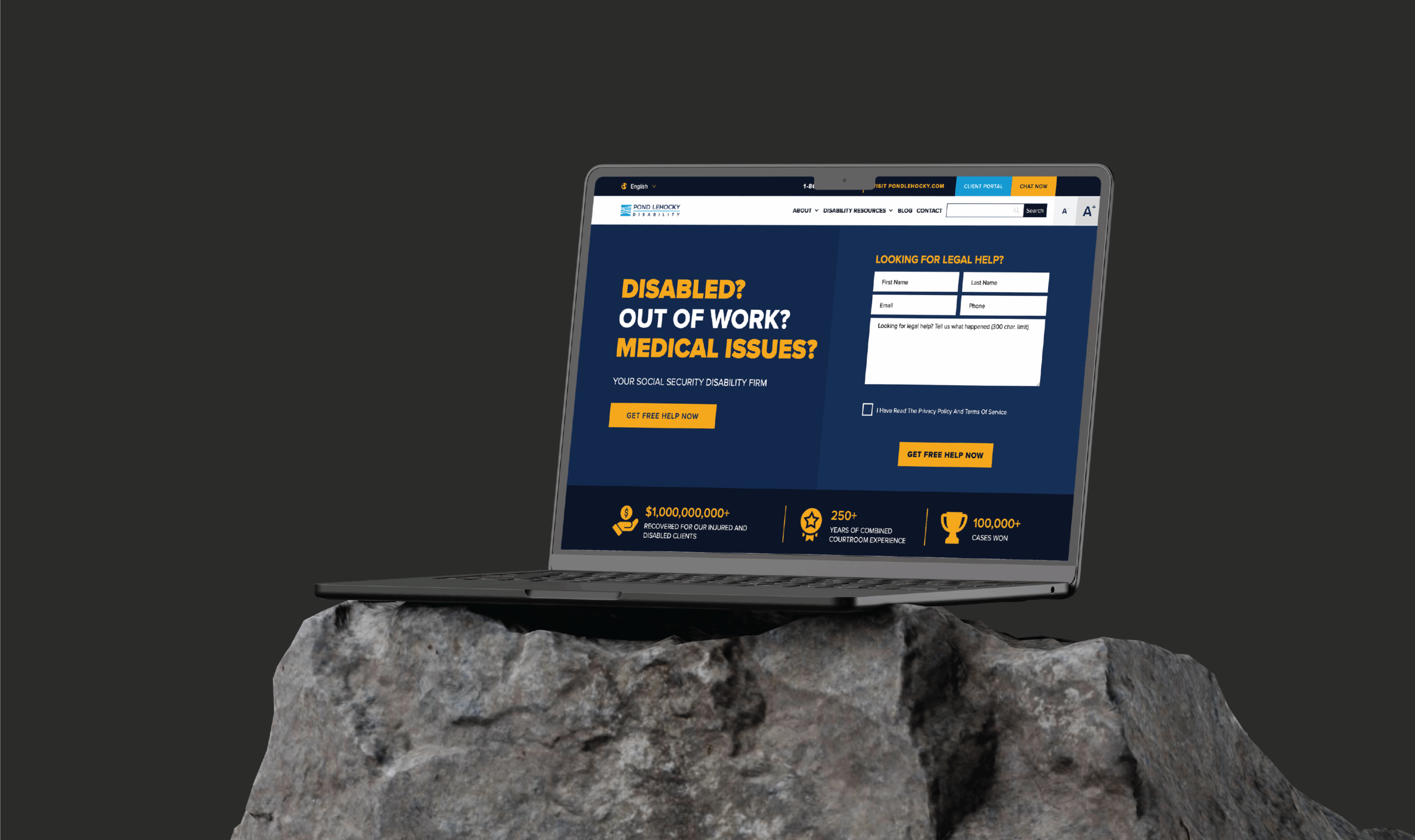
We build or rebuild your website so it helps claimants understand the process without feeling overwhelmed. That includes structured pages for eligibility, denials, appeal levels, medical evidence, and timelines — all designed with clear navigation, mobile readiness, fast load times, and accessibility features like readable fonts, alt text, and captions. The site is built to support clients who revisit multiple times before taking action.
Check out our portfolio to see some of the sites we’ve created for our clients.
-
step 06
Content Creation & SEO
We create plain-language content that explains steps, deadlines, forms, and evidence requirements without jargon. Pages for application, reconsideration, hearings, and federal appeals are each written to answer the questions people ask most. If you already have content, we migrate it, clean it up, and restructure it to support both search visibility and client comprehension. This stage establishes the foundation for long-term, steady traffic.
-
step 07
LSA + Paid Ads Launch
We configure LSAs and PPC campaigns around denial status, claim stage, and geographic targeting. LSAs help capture urgent, high-intent calls from people who already know they need help. PPC supports broader visibility for applicants searching for information before they’re ready to hire. Tracking connects every lead back to its source so you can see which campaigns produce qualified cases — not just clicks.
-
step 08
Retargeting & Visibility Layer Setup
Because disability decisions take time, we configure retargeting campaigns and display ads to keep your firm visible while applicants gather documentation or wait on medical updates. These visibility layers reinforce trust and ensure your firm stays top-of-mind when someone is finally ready to act.
-
step 09
Social Media, Radio, and TV Coordination
For firms running social media ads, radio, or television, we align messaging so every channel reinforces the same steady tone. Social ads support long research cycles, radio provides local familiarity, and TV builds credibility when paired with search visibility. We manage timing, audience targeting, and landing pages so these channels complement — rather than compete with — your core digital strategy.
-
step 010
Professional Network & Referral Support
Medical providers, caseworkers, and other attorneys are critical referral sources for SSD firms. We help build landing pages, communication systems, and outreach workflows that make it easy for these professionals to refer clients confidently. This stage strengthens pipelines that deliver some of the highest-quality cases in disability law.
-
step 011
LexConnect Referral Tracking Integration
The platform LexConnect makes legal referrals seamless and transparent. Utilizing CRM integrations makes it easier than ever to send referrals from lawyer-to-lawyer or from another service-provider-to-lawyer. With LexConnect, we can help you grow your reach in a way that benefits you and your connections.
-
step 012
KPI Tracking
We track every meaningful performance indicator: search visibility, denial-stage behavior, call quality, form submissions, medical documentation readiness, and signed cases. Because SSD timelines can be long, we analyze data across weeks and months instead of relying on short-term fluctuations.
-
step 013
Operations Consulting / Campaign Refinement
We review intake timing, voicemail handling, routing, review strategy, and clarity of follow-up messages. If applicants aren’t getting responses quickly or don’t understand the next step, you could be losing clients. Disability clients depend on patient guidance, so we help you reinforce that experience at every stage.
-
step 014
Reinvest, Rinse, and Repeat
SSD and SSI demand shifts with economic trends, policy updates, backlog changes, and regional conditions. We review your performance regularly, adjust based on what the data shows, and refine strategy as claimants’ needs evolve. Long-term growth comes from consistent improvement built on empathy, clarity, and accessibility.

Marketing Channels for Social Security Disability Attorneys
SEO for social security disability lawyers
Most disability applicants start by searching online after a denial or when they’re unsure how to apply. SEO connects your firm to those searches through clear, factual pages that explain eligibility, timelines, and appeal options. It builds visibility and trust at the exact moment potential clients are looking for help.
PPC for social security disability lawyers
Paid ads capture people ready to act — applicants looking for immediate help after a denial or those just starting a claim. Local Services Ads (LSAs) add a layer of trust by verifying your firm through Google, while PPC provides broader reach and keyword control. Together, they generate qualified leads at different points in the decision cycle.
Reputation Management & Reviews for social security disability lawyers
Disability clients want reassurance that you’ll take them seriously and follow through. Frequent, detailed reviews — especially ones mentioning clear communication and patience — carry more weight than ad copy ever could. Consistent feedback builds confidence for people hesitant to reach out.
Content Marketing for social security disability lawyers
Educational content helps claimants feel understood. Articles, FAQs, and appeal guides written in plain English show compassion while explaining next steps. This steady, transparent tone positions your firm as both credible and approachable — a critical balance in disability law.
Display Advertising & Retargeting for social security disability lawyers
Disability decisions take time, and many applicants need to see your firm more than once before reaching out. Retargeting ads keep your name in front of people who’ve already visited your site, reinforcing credibility and prompting contact once they’re ready to act.
Social Media Marketing for social security disability lawyers
Social media marketing works well for Social Security Disability firms because many claimants spend long periods researching benefits, reading personal stories, and looking for reassurance that someone will take their case seriously. Meta and TikTok ads help you stay visible during that research window. Short videos, simple explanations, and updates about timelines or appeals build familiarity and encourage hesitant applicants to reach out.
Radio Advertising for social security disability lawyers
Radio remains effective for Disability practices, especially in regions where listeners rely on local stations for news and community information. Clear, straightforward messaging about denials, appeals, and eligibility helps people connect their situation to your services. Radio works best as a visibility layer — something steady and recognizable — rather than a direct lead generator.
Television Advertising for social security disability lawyers
TV advertising helps SSD lawyers build broad awareness and credibility. Many applicants trust firms they’ve seen repeatedly in reliable, familiar formats, and television spots reinforce that sense of legitimacy. The channel is most effective when paired with strong search visibility: viewers often follow up by Googling your firm, so the combination of TV and search produces the real lift.
Should Social Security Law Firms Use Billboards?
Billboards create broad visibility, but they rarely connect with the way disability clients actually look for help. Most applicants start researching eligibility, denials, or appeal timelines online — often from home and with specific questions they need answered. A billboard can’t speak to those concerns or guide someone toward the next step. At best, it offers name recognition, but that recognition doesn’t translate into meaningful contact unless a person is already preparing to file or appeal a claim.
Billboards also have limited targeting value for SSD and SSI. Disability cases aren’t tied to predictable geography, commute patterns, or high-traffic corridors the way consumer services are. The people who need representation aren’t clustered in specific routes, and their decision to seek help isn’t triggered by repetition in outdoor ads. As a result, firms spend heavily for impressions that seldom align with actual claimant behavior. For most practices, the budget delivers far more impact when it’s directed toward search-driven channels where intent is clear and next steps are easy to take.
Other channels that might not provide strong ROI include:
- Press Releases: Helpful for firm milestones but ineffective for direct client acquisition.
- Awards: Good for professional credibility, not for connecting with individuals in crisis.
- Podcasts: Valuable for thought leadership but too niche to sustain consistent lead volume.
Referral Sources for Disability Law Firms
Social Security Disability work often comes from relationships built on empathy and reliability. Because claimants talk openly with professionals they trust — doctors, caseworkers, community advocates — those contacts play a key role in connecting clients to the right firm. The primary sources of referrals for disability law firms are:
- Medical Providers
- Social Service Organizations
- Other Attorneys
Medical Provider Referrals
Physicians, clinics, hospitals, and rehabilitation specialists frequently refer patients who can no longer work. They understand how medical records affect claims and value attorneys who communicate clearly and respect patient privacy. Maintaining regular contact and offering straightforward referral materials can turn these relationships into steady client pipelines.
Social Service Organization Referrals
Caseworkers and nonprofit advocates meet people at critical points: when income stops, benefits lapse, or appeals are due. Partnering with these organizations builds goodwill and positions your firm as a trusted resource for practical, timely help.
Attorney Referrals
Lawyers in personal injury, workers’ compensation, or employment law often encounter clients who need disability representation. Coordinating referral processes and keeping communication transparent ensures those introductions convert into active cases.
Branding for Social Security Disability Law Firms
An effective brand for a Disability law firm communicates patience, care, integrity, and competence from the first glance. Applicants are already worn down by paperwork and financial stress, and they’re likely experiencing pain. Your visual identity and language should make them feel heard, not sold to. The goal is to project stability and warmth without losing professionalism.
Consistency across your website, ads, and intake materials reinforces that same impression: you’re steady, approachable, and focused on helping people move forward.
Why Social Security Disability Lawyers Need a Good Website
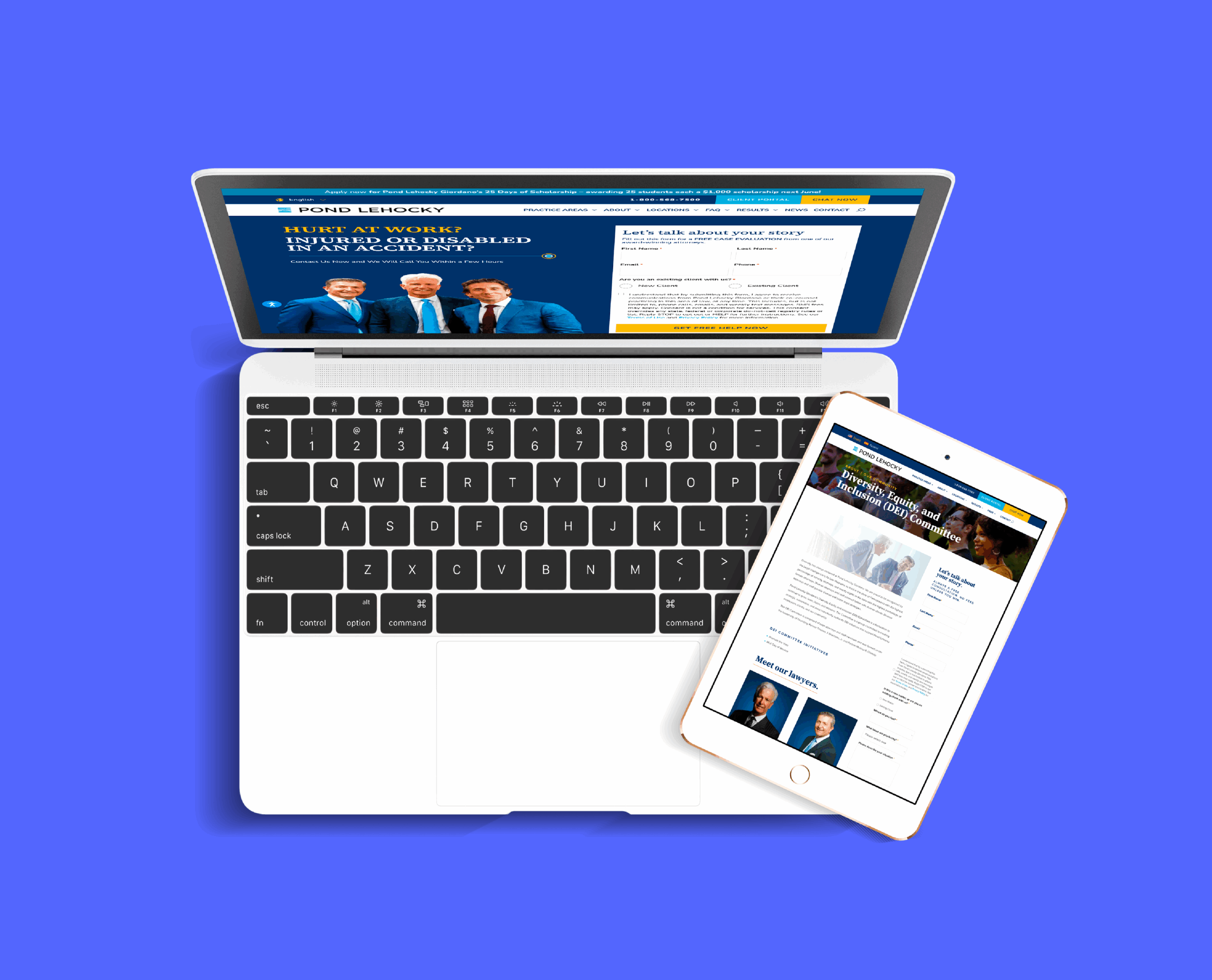
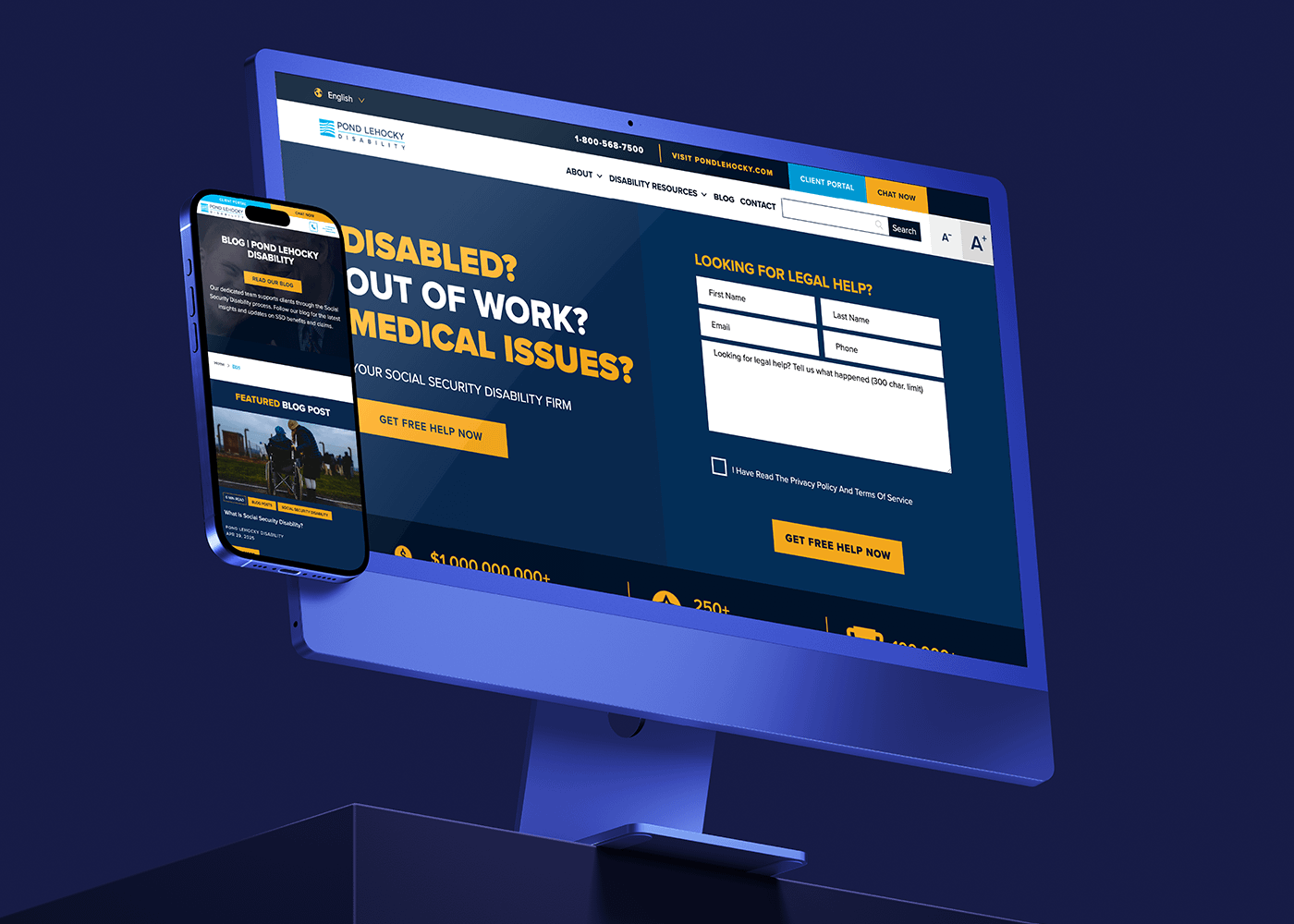
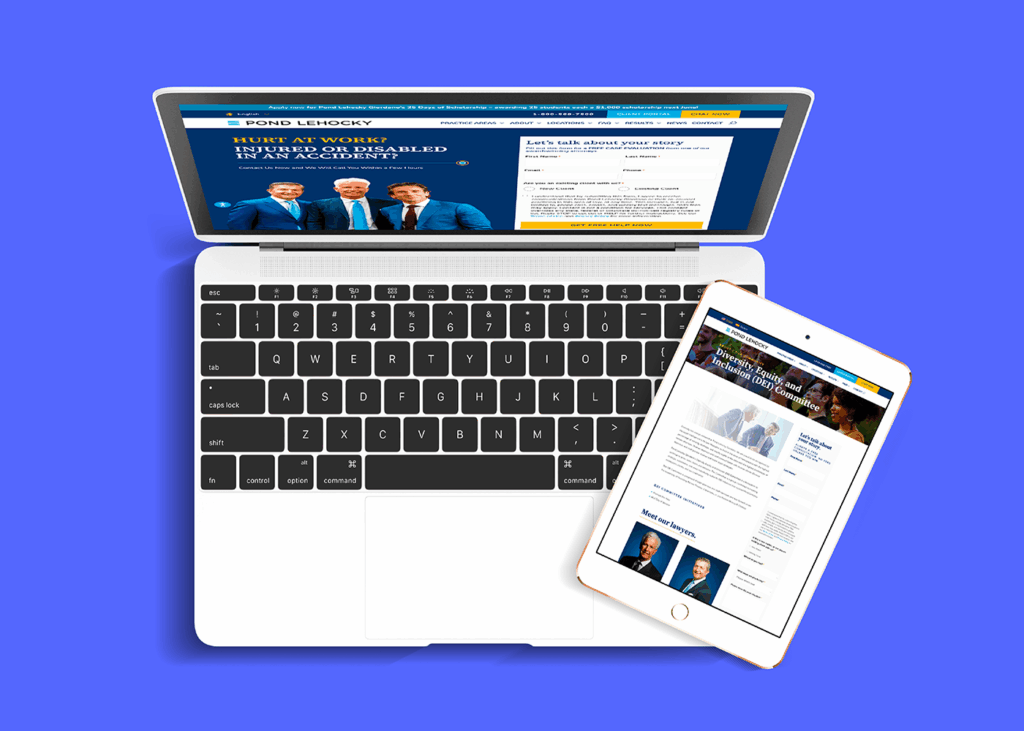
A Social Security disability website needs to make a complicated process feel understandable. Clear explanations of eligibility, denials, and appeal steps help visitors see where they fit and what to do next. Clean layouts, readable fonts, and plain-spoken content, married with other accessibility features like alt text on photos (for screen readers) and closed-captions on videos, help claimants trust that your firm will simplify the process, not add to their confusion.
Many applicants return to the same page multiple times before contacting a firm. At MeanPug, we build SSDI websites that are easy to navigate, load quickly, and present information in plain English. Our sites are structured, accessible, and designed to guide people toward help at their own pace.
What Disability Attorneys Get When Working With MeanPug
Social Security disability firms need a marketing partner that understands long timelines, careful documentation, and the emotional strain many applicants carry into the process. MeanPug builds strategies around those realities, with a model designed only for law firms:
- A team that works exclusively with legal practices. Every decision reflects how disability applicants search for help, compare firms, and revisit information multiple times before taking action. We study the patterns that shape SSD and SSI inquiries — from denial-based searches to late-night research on eligibility and appeal steps.
- Full-service support across the channels that matter. Websites, SEO, content, paid search, LSAs, social advertising, and supporting visibility channels all run under one roof, which keeps your messaging consistent. We tune each channel to match how disability clients move through the decision cycle, often slowly and with repeated need for reassurance.
- Boutique planning shaped by your case mix. Strategies are built around the types of matters your firm handles — initial claims, reconsiderations, hearings, or federal appeals — and the competitive environment in your region. Nothing is repurposed from templates or pre-set packages.
- Account strategists with law firm SEO backgrounds. You work with someone who understands how disability-related queries surface, how denials influence search behavior, and how to build content that supports applicants who need clarity before they feel ready to call.
- Senior-level talent handling sensitive subjects. Writers and designers understand how to communicate with applicants who are in pain, overwhelmed by paperwork, or worried about financial stability. Strategists and developers build structures that make complex information feel manageable instead of intimidating.
- Quick adjustments when demand changes. Disability volume shifts with policy updates, regional backlogs, and economic conditions. We monitor those changes closely and update campaigns quickly so your firm stays visible when more applicants begin searching.
- Systems built for long-term stability. Clear site architecture, accessible layouts, structured content, and disciplined campaign management give your firm reliable visibility over time. SSD and SSI leads don’t always act immediately, so the supporting infrastructure must be steady, consistent, and easy for applicants to navigate when they return.
Social Security Disability Law Marketing FAQs
-
How can SEO help disability firms with local competition?
-
Do Google Ads work for SSD, SSI, and SSDI cases?
-
How can we advertise ethically for government benefit cases?
-
Should disability attorneys invest in intake automation?
-
Can content marketing really build trust with SSDI clients?