Medical Malpractice Law Firm Marketing
How MeanPug Helps
Medical Malpractice Firms
Marketing Channels Important to Medical Malpractice Law Firms
Medical malpractice clients usually don’t make fast hiring decisions. Many spend weeks or months researching what happened, seeking second opinions, reviewing records, and trying to understand whether a bad outcome may actually be malpractice.
That means the strongest marketing strategies do not rely on one channel. They build trust throughout the research process, then make it easy for the right prospects to take the next step.
Organic Search (SEO) for Medical Malpractice Lawyers
SEO plays a critical role in how medical malpractice prospects find information. For law firms, that means an effective SEO content strategy should do more than chase rankings; it should help potential clients understand legal and medical concepts in plain language.
Educational SEO content supports visibility and screening at the same time. It can attract people earlier in the decision process while helping filter out matters that are unlikely to move forward. Keeping your Google Business Profile up to date and ensuring that your NAP (Name, Address, Phone) is consistent across all listings can also help people find you more easily when they search more broadly.
Pay-Per-Click (PPC) and Local Services Ads (LSAs) for Medical Malpractice Lawyers
PPC is a core channel for many medical malpractice firms because it can capture high-intent searches tied to specific injuries, providers, procedures, and alleged errors.
But med mal paid search has to be built carefully. Generic campaigns can become expensive quickly and may generate inquiries that do not meet the firm’s case criteria. Strong campaigns need disciplined targeting, clear landing pages, and messaging that helps prospective clients understand whether their situation may be worth reviewing.
Local Service Ads can build credibility and visibility when people are ready to contact a lawyer. For firms with strong reputations, LSAs can help maintain prominent placement in competitive markets.
Content Marketing for Medical Malpractice Lawyers
Most medical malpractice prospects begin with questions, not conclusions. They may search for why a diagnosis was missed, whether a surgical complication was preventable, what counts as hospital negligence, or how birth injuries are evaluated.
The strongest content strategies educate and qualify. Pages should explain how malpractice is evaluated, what expert review involves, why causation matters, and why a firm may decline a case even when a patient experienced serious harm. Great content helps the firm shape expectations before intake ever begins.
Video Marketing for Medical Malpractice Lawyers
Video can be especially useful for medical malpractice firms because it gives attorneys a chance to explain complex issues calmly and directly.
Short videos can answer questions like:
- What makes a medical malpractice case viable?
- Why does expert review matter?
- Why are some bad outcomes not malpractice?
- What should families expect before a firm accepts a case?
Used well, video reinforces professionalism across the website, paid campaigns, social platforms, and search results. It can also make the firm feel more human without making the marketing feel casual or sensational.
Need further convincing? The 2024 U.S. Consumer Legal Needs Survey found that “one in six respondents who looked for legal information online searched for online videos.”
Do Medical Negligence Attorneys Need Radio Ads?
Maybe, but it depends on what you’re trying to accomplish. Radio can support overall brand awareness, so it may be helpful if you’re opening up shop in a new market or want to highlight a specific type of case you’re handling. Radio interviews can also help build visibility and reinforce attorney credibility.
But radio ads on their own are rarely a primary growth engine for medical malpractice firms. Most medical malpractice clients take time to really dig into their injuries, their symptoms, and the potential causes. A particularly strong ad or jingle may pop into their heads during this process, but marketing channels such as SEO and paid search generally provide stronger targeting than broad-reach media alone.
Other channels that may play a supporting role include:
- Newsletters: Useful for maintaining visibility with referral sources, but they rarely influence new medical malpractice inquiries on their own.
- Billboards: Can build name recognition, but they do not give firms much room to explain complex medical negligence issues or qualify prospects.
- TV advertising: Can increase brand awareness for firms with substantial budgets, but its short format makes it difficult to communicate the nuanced legal and medical issues that influence whether a malpractice claim is viable.
- Press releases: Can support firm announcements, verdicts, settlements, or reputation-building moments, but they should not be treated as a consistent lead-generation channel.
- Direct mail: Usually difficult to justify because targeting is limited and the decision cycle is research-driven.
- Email marketing: Can support referral relationships and client communication, but it is rarely a primary channel for generating new medical malpractice matters because prospective clients typically begin their research through search rather than email.
Referral Sources for Medical Malpractice Firms
Referrals play a major role in medical malpractice because many potential clients do not start by searching for a lawyer. They start by asking someone they trust whether what happened to them was normal.
The strongest referral sources often come from three groups:
- Professionals
- Attorneys
- Former clients
Professional Referrals
Medical professionals, patient advocates, case managers, and others close to the healthcare process may recognize when a patient’s outcome deserves further review. When they suggest speaking with a lawyer, families are more likely to look for firms known for careful, responsible evaluation.
Attorney Referrals
Attorney referrals are one of the most important sources of medical malpractice cases. Lawyers in personal injury, estate litigation, workers’ compensation, and other practice areas often encounter potential malpractice issues but may not have the resources, experience, or appetite to pursue them.
A strong marketing presence helps referral partners understand what kinds of cases you handle, where you practice, and why your firm is equipped to evaluate complex medical negligence claims.
Client Referrals
Former clients can also become meaningful referral sources, especially in a practice area built on trust. These referrals are rarely just about outcomes. They are also about how the firm communicated, how seriously the case was handled, and whether the client felt respected during a difficult process.
Branding for Med Mal Firms
Medical malpractice branding should feel serious, disciplined, and measured. Visitors are often dealing with permanent injury, disability, or loss. Your brand should reflect the gravity of that moment.
Clean design, restrained language, strong attorney positioning, and consistent messaging all help establish credibility. The goal is not to overwhelm visitors with aggressive claims. The goal is to make them feel that your firm is capable, careful, and prepared to evaluate a complex case responsibly.
Consistency matters across every touchpoint, including your website, search presence, ads, intake experience, referral materials, and social proof.. When each piece communicates the same level of professionalism and care, potential clients and referral sources are more likely to trust the firm behind it.
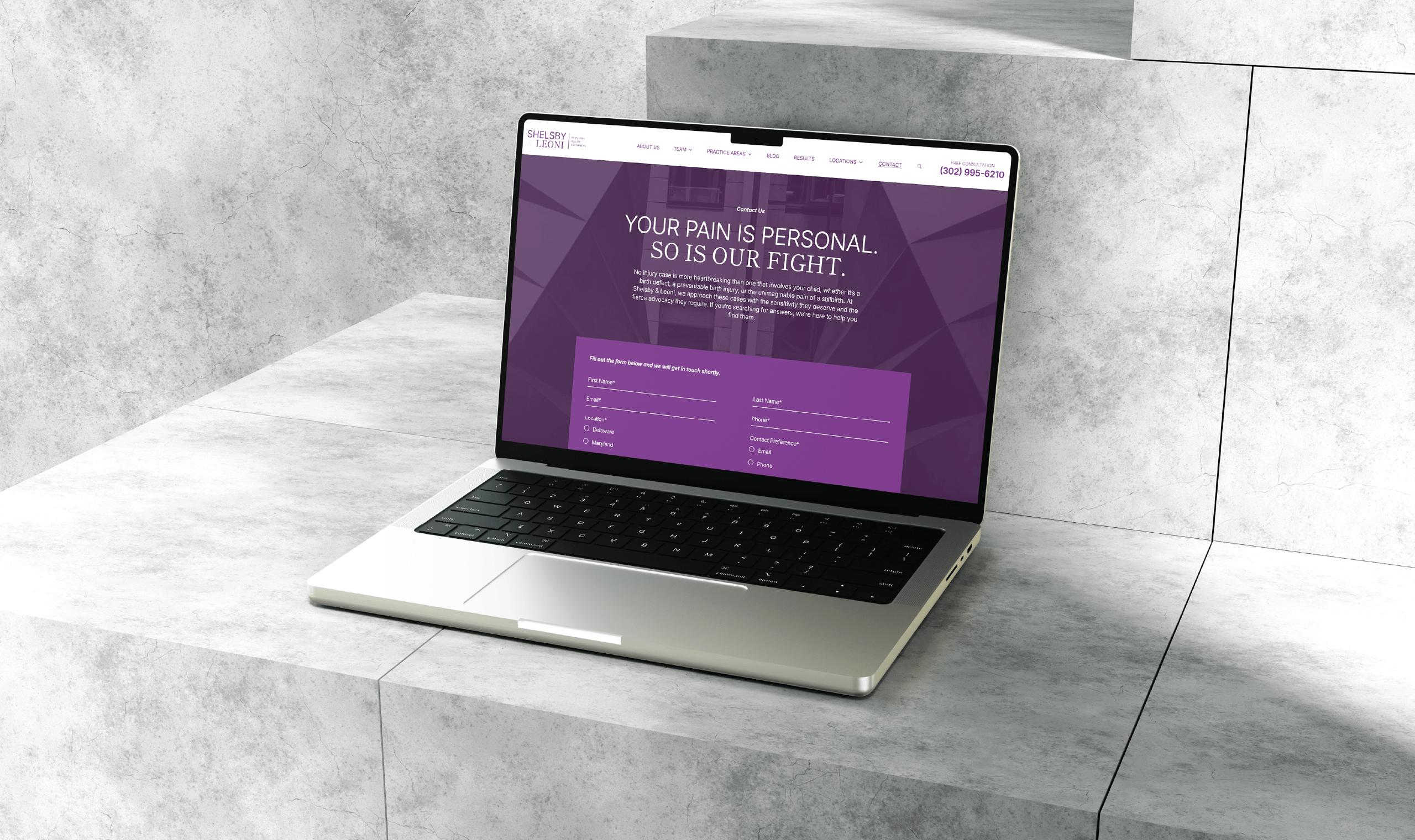
Why Malpractice Attorneys Need a Good Website
A medical malpractice website has to do more than list practice areas. It has to help people understand complex medical and legal concepts without oversimplifying them.
Visitors may be researching delayed diagnosis, surgical errors, birth injuries, hospital negligence, medication mistakes, or the loss of a loved one. They need clear explanations of what malpractice is, how cases are evaluated, why expert review matters, and what makes a claim viable.
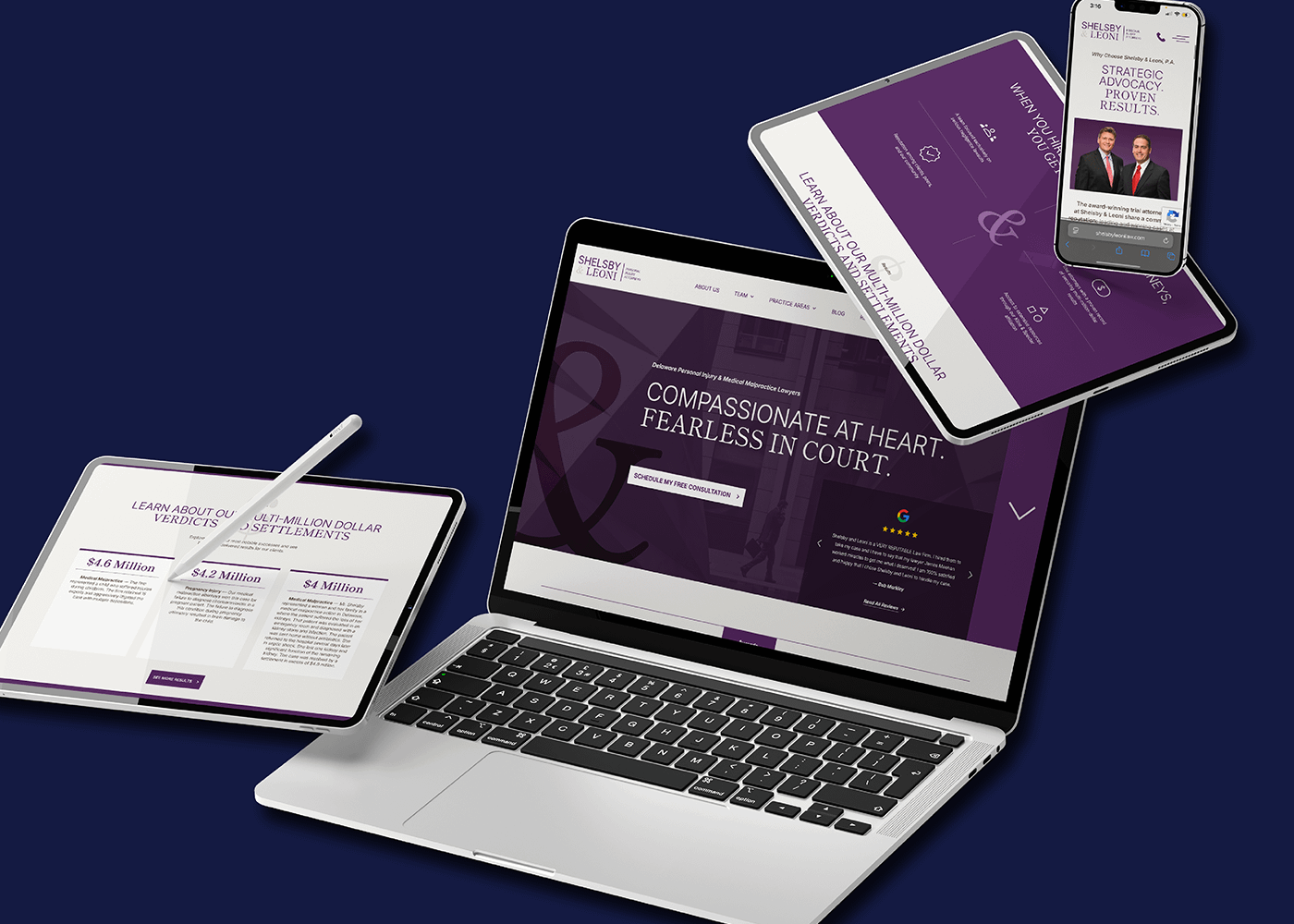
A strong website supports that research while also helping the firm screen inquiries more effectively. Clear structure, thoughtful content, attorney credibility, and strong conversion paths can help visitors move from uncertainty to action without turning the site into a generic lead funnel.
For medical malpractice firms, the website should build trust, educate carefully, and make it easier for qualified prospects to take the next step.
What Medical Malpractice Lawyers Get When Working With MeanPug
Effective medical malpractice law firm marketing requires a partner that understands high case costs, expert-driven litigation, long decision cycles, and the importance of selectivity. MeanPug builds marketing systems around those realities.
- A team that works exclusively with law firms and legal professionals. Every recommendation reflects how medical malpractice searches unfold, how families research potential claims over time, and how credibility is established before contact ever happens.
- Full-service support across the channels that matter. Website, SEO, paid search, Local Services Ads, content, creative, reporting, and traditional media support all run under one roof. That keeps messaging consistent across digital, search, referral, and offline touchpoints.
- Strategy shaped by your case mix. Strategies are built around the types of matters you pursue: misdiagnosis, delayed treatment, surgical errors, birth injuries, hospital negligence, nursing home negligence, or another complex subset of malpractice work. Your strategy should reflect the matters you actually want, not a generic personal injury playbook.
- Account strategists with real SEO backgrounds. You work with people who understand how medical queries surface, how extended research cycles shape search behavior, and how educational content influences decision-making before a claim is ever evaluated.
- Senior-level talent handling complex subject matter. Medical malpractice content requires accuracy, restraint, and judgment. MeanPug’s writers, designers, strategists, and developers know how to present complex issues clearly without overpromising, oversimplifying, or weakening credibility.
- Coordinated execution across long timelines. Medical malpractice marketing does not work through short bursts of activity. It requires consistent visibility, strong content infrastructure, disciplined paid campaigns, and ongoing refinement. We help manage that system so authority compounds over time.
- Systems built for long-term credibility. Clean site architecture, structured content, thoughtful conversion paths, paid-media discipline, and consistent messaging create a stronger foundation for qualified case growth.
Medical Malpractice Law Marketing FAQs
-
How is medical malpractice marketing different from personal injury marketing?
-
What types of searches matter most for medical malpractice SEO?
-
How important is reputation in medical malpractice marketing?
-
How long does it take to see results from medical malpractice marketing?
-
How do medical malpractice firms avoid attracting cases that aren’t viable?